 剧情介绍
剧情介绍
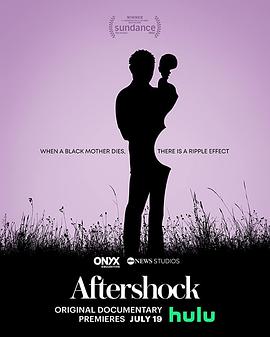
An alarmingly disproportionate number of Black women are failed every year by the U.S. maternal health system. Shamony Gibson and Amber Rose Isaac were vibrant, excited mothers-to-be whose deaths due to childbirth complications were preventable. Now, their partners and families are determined to sound a rallying cry around this chilling yet largely ignored crisis.
Directors Paula Eiselt and Tonya Lewis Lee follow Gibson’s and Isaac’s bereaved partners, Omari Maynard and Bruce McIntyre, as they fight for justice and build communities of support, bonding especially with other surviving Black fathers. Their tragic, individual experiences are punctuated with condemning historical context, showing that gynecology has a long-standing history of exploiting and neglecting Black women in America. In the arresting words of mother-to-be Felicia Ellis, “A Black woman having a baby is like a Black man at a traffic stop with the police.” She emphasizes that paying attention is paramount. Aftershock brings an unsettling reality to the forefront while uplifting the families, activists, and birth workers who are striving to bring institutional change and legislative reform. These mothers will not be forgotten.
 猜你喜欢
猜你喜欢
扫码用手机观看
分享到朋友圈
 热播榜
热播榜
 最近更新
最近更新
 友情链接
友情链接